Best Patio Screen Mesh for Florida Weather: A Pinecrest Guide
Learn how to choose the best patio screen mesh for Florida weather, including considerations for sun, humidity, airflow, privacy, visibility, and outdoor comfort in Pinecrest.
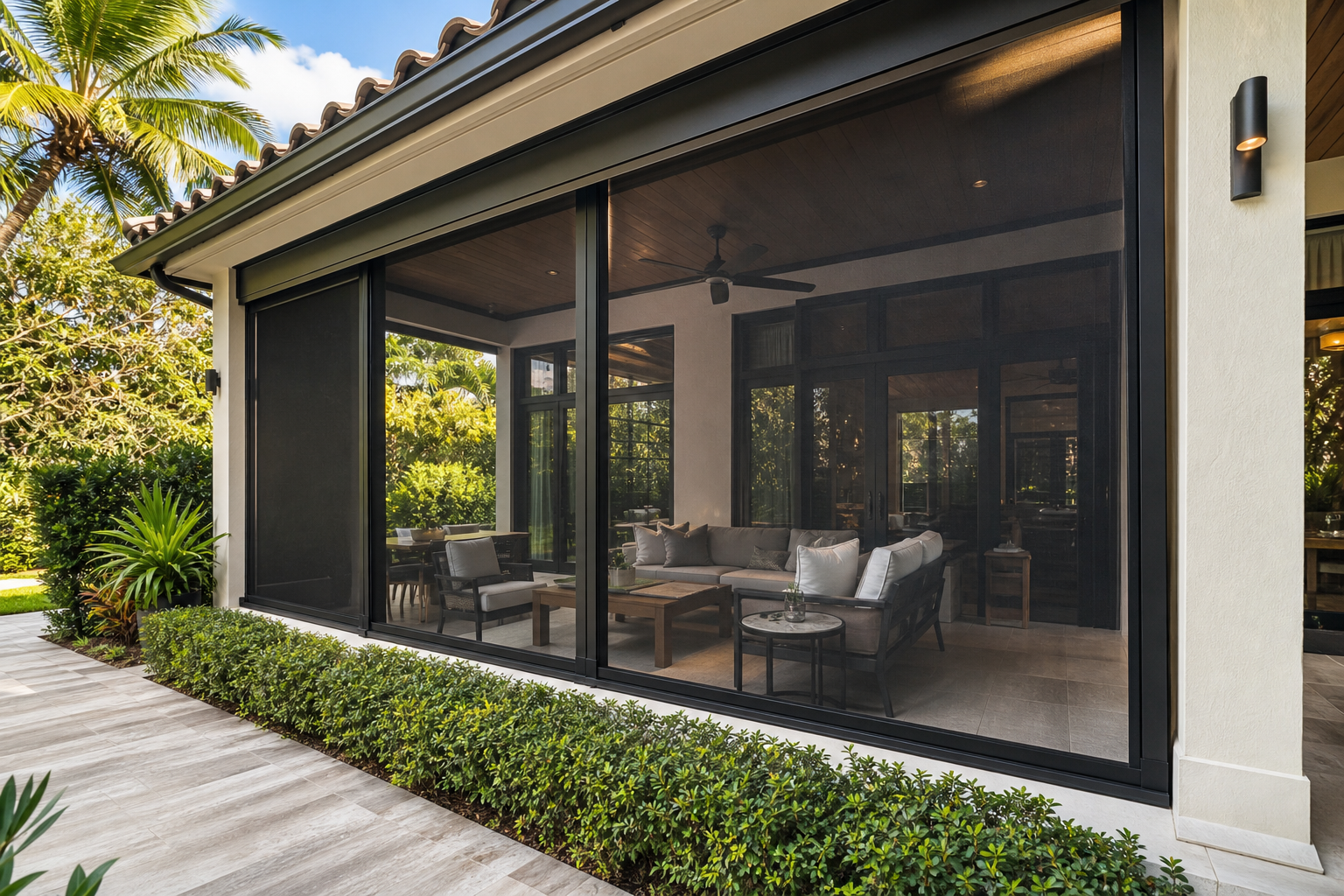
Choosing the best patio screen mesh for Florida weather involves more than picking a color or comparing sample swatches. In Pinecrest and throughout South Florida, patio screens must perform in intense sunlight, high humidity, frequent rain, and the changing conditions that come with outdoor living.
The right mesh can help make a covered patio, porch, lanai, or outdoor sitting area more comfortable while supporting privacy and protection from insects. However, no single screen fabric is ideal for every home. The best choice depends on how much sun reaches the space, how important outward visibility is, whether privacy is needed, and how often the screen will be exposed to wind and moisture.
This guide explains the main factors to consider when selecting patio screen mesh for a Pinecrest home and when professional measurement and installation can make a difference.
What Makes Patio Screen Mesh Suitable for Florida Weather?
Florida’s climate places several demands on exterior window treatments and patio screens. A mesh fabric should be selected with the location and intended use of the patio in mind rather than based on appearance alone.
- Sun exposure: South Florida sunlight can make patios hot and uncomfortable, especially when the space faces west or southwest.
- Humidity and rain: Outdoor fabrics and components may be exposed to moisture regularly, even when a patio is partially covered.
- Air movement: A screen should provide useful coverage without creating unnecessary resistance in breezy conditions.
- Privacy: The desired level of daytime privacy can affect mesh openness, color, and viewing direction.
- Outdoor use: Patios used for dining, entertaining, or relaxing may need a different balance of visibility and solar control than a rarely used porch.
- Coastal conditions: Homes closer to Biscayne Bay or the coast may need extra attention to the durability and maintenance requirements of exposed hardware.
It is also important to understand what patio screen mesh is not designed to do. A standard screen is not automatically hurricane protection, security glazing, or a substitute for an approved storm product. If storm-rated performance is a requirement, ask specifically about the available system and its documentation.
Important Patio Screen Mesh Factors to Compare
1. Mesh openness
Mesh openness refers to how tightly or loosely the fabric is woven. More open mesh generally allows more airflow and may preserve a clearer view, while a tighter weave can provide greater visual screening and may reduce more sunlight. The tradeoff is that increasing privacy or solar control can affect outward visibility and the amount of natural light entering the patio.
There is no universally correct openness level for every Pinecrest patio. A homeowner who wants to preserve a view of a garden may prioritize visibility. Someone whose patio faces a neighbor’s property may place more value on daytime privacy. A professional consultation can help compare samples in the actual light conditions of the space.
2. Fabric material
Patio screen mesh is commonly made from woven materials such as fiberglass or polyester, sometimes with protective coatings designed for outdoor use. The appropriate material depends on the screen system, location, exposure, and the performance characteristics the homeowner wants.
When comparing fabrics, ask how the material is intended to perform outdoors, how it should be cleaned, and whether the manufacturer provides care instructions. Avoid selecting solely on the basis of a fabric sample indoors. A mesh that looks attractive under showroom lighting may appear very different when sunlight reflects off the patio or when viewed from inside the home.
3. Solar control
A patio screen can reduce the amount of direct sunlight reaching an outdoor living area, but the level of solar control varies by fabric. Darker mesh often provides a more comfortable view through the screen because it reduces glare, while lighter colors may reflect more light and create a brighter appearance. The best option depends on the patio’s orientation, roof coverage, surrounding landscaping, and the homeowner’s preferred look.
For spaces that need additional protection from heat and glare, it can be useful to compare patio screens with other exterior or interior shading solutions. Floridian Blinds explains related considerations in this guide to solar shades for patios and lanais.
4. Privacy and outward visibility
Privacy is one of the most common reasons homeowners install patio screens, but privacy performance changes with lighting conditions. During the day, a screen may make it easier to see out than to see in when the patio is brighter outside than inside. At night, interior lighting can reverse that effect.
For this reason, homeowners should not assume that a screen provides complete privacy at all times. If nighttime privacy is important, consider how the patio will be illuminated and whether an additional shade, curtain, or interior window treatment is needed.
5. Airflow
Open-air living is a major advantage of a South Florida patio. A screen that blocks insects while allowing comfortable airflow can help the space feel more connected to the outdoors. However, airflow depends on more than mesh openness. Patio orientation, nearby walls, landscaping, roof design, and the overall screen structure also affect how air moves through the area.
During a consultation, it is helpful to explain whether the main goal is insect control, glare reduction, privacy, or a combination of all three. That information helps narrow the choices without treating one mesh style as the answer for every patio.
Which Patio Screen Mesh Is Best for Different Pinecrest Homes?
| Patio priority | Mesh characteristics to consider | Potential tradeoff |
|---|---|---|
| Preserving a garden or pool view | Mesh designed for good outward visibility and appropriate openness | May provide less privacy or solar control than a tighter weave |
| Reducing glare and direct sun | Solar-screen style mesh with attention to color and openness | May make the patio appear darker or reduce the view slightly |
| Improving daytime privacy | Tighter weave or privacy-focused mesh | Can reduce airflow, daylight, or outward visibility |
| Frequent entertaining | A balanced fabric chosen for comfort, appearance, and easy operation | May require prioritizing the most important performance goal |
| Coastal or highly exposed location | Outdoor-suitable fabric and carefully selected hardware | Still requires regular inspection and proper maintenance |
This comparison is a starting point, not a product specification. The best patio screen mesh for Florida weather should be evaluated together with the complete system, including the roller, guides, mounting method, operating style, and installation conditions.
Screen Color: Does It Matter?
Color affects both the appearance of the patio and the way the screen is experienced from inside and outside. Darker mesh can reduce the visual impact of glare and may make it easier to focus on the view beyond the screen. Lighter mesh can create a brighter appearance but may reflect more light in certain conditions.
Frame and fabric color should also complement the home’s exterior, patio furniture, flooring, and surrounding landscaping. In a modern Pinecrest home, a neutral screen can provide a clean look without competing with architectural details. For a more traditional property, the screen may be selected to blend with existing trim or outdoor finishes.
Whenever possible, view fabric samples at the patio during different times of day. Morning, afternoon, and evening light can change how the mesh looks and how much glare is noticeable.
Manual or Motorized Patio Screens?
Patio screens can be operated manually or with motorization, depending on the system and installation requirements. Manual operation may be practical for a smaller opening that is used occasionally. Motorization can be especially convenient for wide openings, tall screens, or patios where the shades are adjusted frequently.
Motorized screens may also be useful when accessibility, streamlined design, or integration with a broader smart-home setup is important. The decision should include the screen’s size, location of controls, power requirements, and how the system will be used day to day.
For homeowners considering motorized shading beyond the patio, Floridian Blinds offers additional information about motorized solar shades for large windows.
Professional Measurement and Installation Considerations
Accurate measurement is essential for patio screens because outdoor openings are not always perfectly square or uniform. Columns, ceiling surfaces, tracks, thresholds, lighting, fans, and nearby doors can all affect how a screen should be mounted and operated.
Professional installation can help identify practical issues before the system is ordered. The installer can review:
- Available mounting surfaces and clearances
- The location of doors, posts, ceiling fans, lighting, and furniture
- How the screen will meet the floor or patio threshold
- Whether the opening requires one screen or multiple sections
- How the system should be operated during changing weather
- Cleaning and maintenance expectations
In addition to improving the fit and appearance, this planning helps ensure that the selected mesh suits the way the patio is actually used. A screen that looks appropriate on paper may be inconvenient if the controls are hard to reach or if the system interferes with an entry door.
How to Maintain Patio Screen Mesh in South Florida
Outdoor screens benefit from routine, gentle care. Dust, pollen, salt carried by coastal air, and organic debris can collect on the fabric and frame. Follow the manufacturer’s cleaning instructions, and avoid harsh chemicals, abrasive tools, or high-pressure cleaning unless the system’s documentation specifically allows it.
- Remove loose dust and debris with a soft brush or gentle vacuum attachment.
- Use a mild cleaning solution only as recommended for the screen material.
- Rinse or wipe carefully so residue does not remain on the fabric or hardware.
- Inspect guides, rollers, and mounting points periodically for debris or visible wear.
- Operate the screen carefully and avoid forcing it if movement feels restricted.
Patio screens should also be retracted or secured according to the manufacturer’s instructions during severe weather. A screen system should not be treated as storm protection unless it has been specifically designed and approved for that purpose.
Questions to Ask Before Choosing Patio Screen Mesh
- How much direct sun reaches the patio during the hottest part of the day?
- Is the main priority insect control, privacy, glare reduction, airflow, or visibility?
- Will the patio screen be exposed to coastal air, frequent rain, or strong breezes?
- How often will the screen be opened and closed?
- Would manual operation be convenient, or would motorization make daily use easier?
- What maintenance is recommended for the selected fabric and hardware?
Frequently Asked Questions
What is the best patio screen mesh for Florida weather?
The best mesh depends on the patio’s exposure and the homeowner’s priorities. In Florida, compare outdoor suitability, solar control, airflow, privacy, visibility, and the quality of the complete screen system rather than choosing by fabric name alone.
Does patio screen mesh block all heat?
No. Patio screen mesh can reduce direct sunlight and glare, but the amount of heat reduction depends on the fabric, color, openness, patio orientation, roof coverage, and surrounding conditions. It should not be expected to eliminate heat entirely.
Will patio screen mesh provide privacy at night?
Not necessarily. Privacy can change when the patio or interior is illuminated after dark. Discuss nighttime use and lighting before selecting a fabric if evening privacy is important.
Can patio screens withstand Florida storms?
Standard patio screens are not automatically hurricane or storm protection. Follow the manufacturer’s operating instructions and ask about any specific storm-related ratings or requirements before making assumptions about performance.
Is a darker or lighter screen better?
Neither color is universally better. Darker mesh may reduce the perception of glare and preserve a clearer view, while lighter mesh may create a brighter appearance. Reviewing samples in the actual patio is the most practical way to compare them.
Choose the Right Patio Screen for Your Pinecrest Home
The best patio screen mesh for Florida weather should balance comfort, visibility, privacy, airflow, appearance, and long-term outdoor use. For Pinecrest homeowners, the right solution may be a carefully selected mesh fabric, a motorized screen for a large opening, or a combination of patio screens and interior shades.
Floridian Blinds can help you evaluate your patio, compare suitable options, and plan a custom installation for your home. Contact us for a free consultation and measurement.